Laser to Prevent Skin Cancer Icon

Laser to Prevent Skin Cancer

Laser to prevent skin cancer can reduce skin cancer rates by 80% making it one of the most effective methods.

Concerns:

  • Previous skin cancers
  • Sun-damaged skin
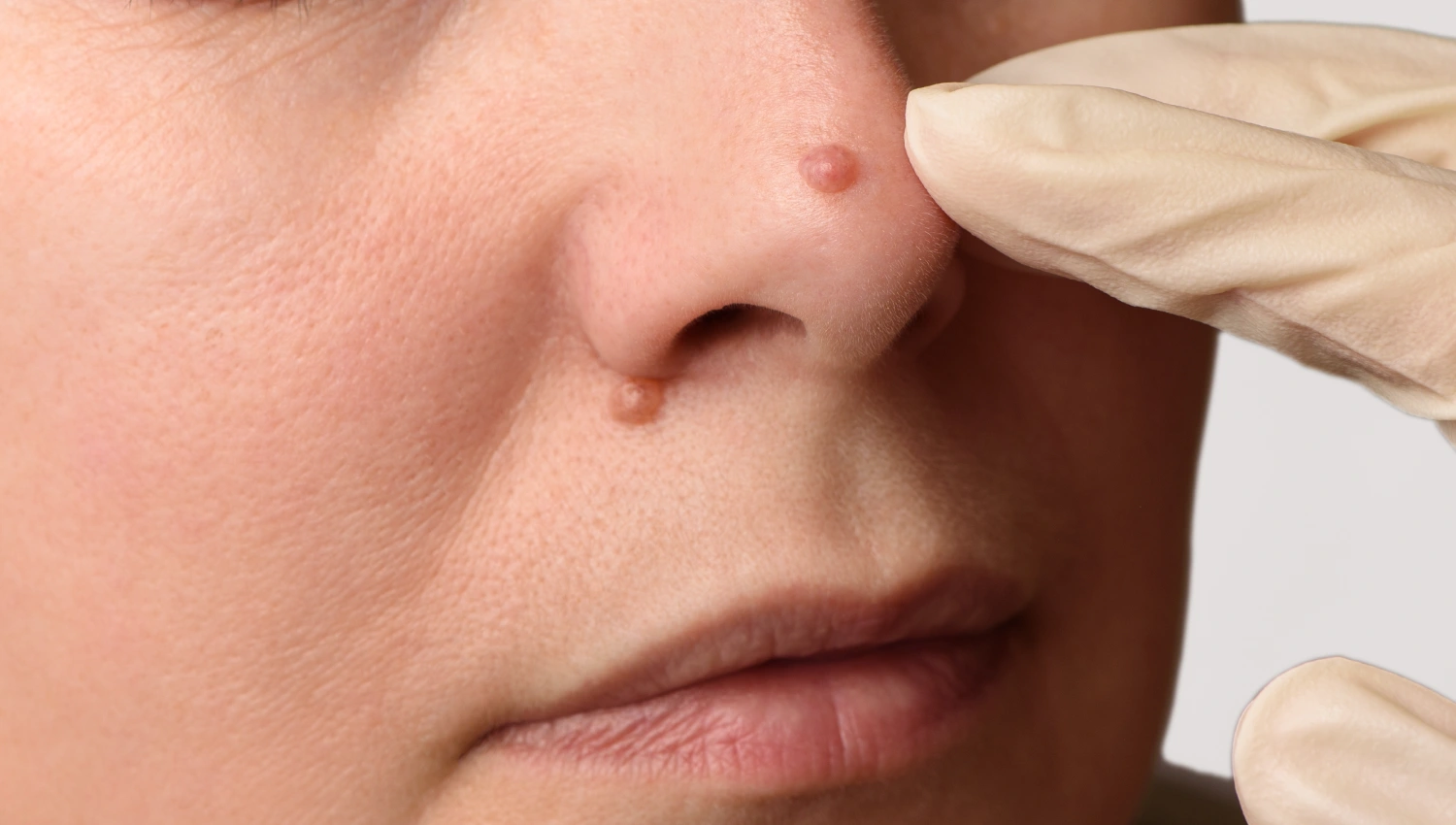
  • Actinic keratoses and actinic field damage

Downtime:

  • 5-7 days depending on treatment

Cost:

  • from $950
Laser to Prevent Skin Cancer

What are the Benefits of Laser to Prevent Skin Cancer?

Reduce skin cancer risk

REDUCE SKIN CANCER RISK

Studies show that treatment can reduce skin cancers by over 80%.

Less surgery required.

LESS SURGERY REQUIRED

With fewer skin cancers you will need less surgery in the future.
Reduce wrinkles with resurfacing laser treatment for the face.

REDUCE FINE LINES & WRINKLES, TIGHTEN SKIN

Fractional CO2 removes microscopic channels of skin resulting in a tightening effect. It also remodels and stimulates collagen production.


How Does Laser for Skin Cancer Prevention Work?

In patients at high risk of skin cancer, laser skin cancer prevention treatment:

  • Reduced precancerous actinic keratoses by 60-75%1Erlendsson AM, Olesen UH, Haedersdal M, Rossi AM. Ablative fractional laser-assisted treatments for keratinocyte carcinomas and its precursors-Clinical review and future perspectives. Adv Drug Deliv Rev. 2020;153:185-194.doi:10.1016/j.addr.2020.01.001,2Chen R, Wargo JJ, Williams A, et al. Single ablative fractional resurfacing laser treatment for forearm actinic keratoses: 6-month follow-up data from an intrapatient comparison between treated and untreated sites. Lasers Surg Med. 2020;52(1):84-87. doi:10.1002/lsm.23175
  • Reduced skin cancers by 85-90% for up to three years3Spandau DF, Chen R, Wargo JJ, et al. Randomized controlled trial of fractionated laser resurfacing on aged skin as prophylaxis against actinic neoplasia. J Clin Invest. 2021;131(19):e150972. doi:10.1172/JCI150972,4Benson TA, Hibler BP, Kotliar D, Avram M. Nonablative Fractional Laser Treatment Is Associated With a Decreased Risk of Subsequent Facial Keratinocyte Carcinoma Development. Dermatol Surg. 2023;49(2):149-154.doi:10.1097/DSS.0000000000003672

The reduction in skin cancer risk may last longer than three years, however, patients were only assessed for three years after their treatment.

Several studies have analysed how CO2 laser treatment works to reduce the risk of skin cancer.5Frommeyer TC, Rohan CA, Spandau DF, et al. Wounding Therapies for Prevention of Photocarcinogenesis. Front Oncol. 2022;11:813132. Published 2022 Jan 7. doi:10.3389/fonc.2021.813132,6Razzaghi Z, Arjmand B, Rezaei Tavirani M, Hamzeloo-Moghadam M, Rostami Nejad M, Robati RM. Long- and short-term effects of ablative fractional laser therapy on human skin: a network analysis. J Lasers Med Sci. 2023;14:e27. doi:10.34172/jlms.2023.27These studies have suggested that there are three main mechanisms that explain the reduction of skin cancer rates in treated areas. These are:

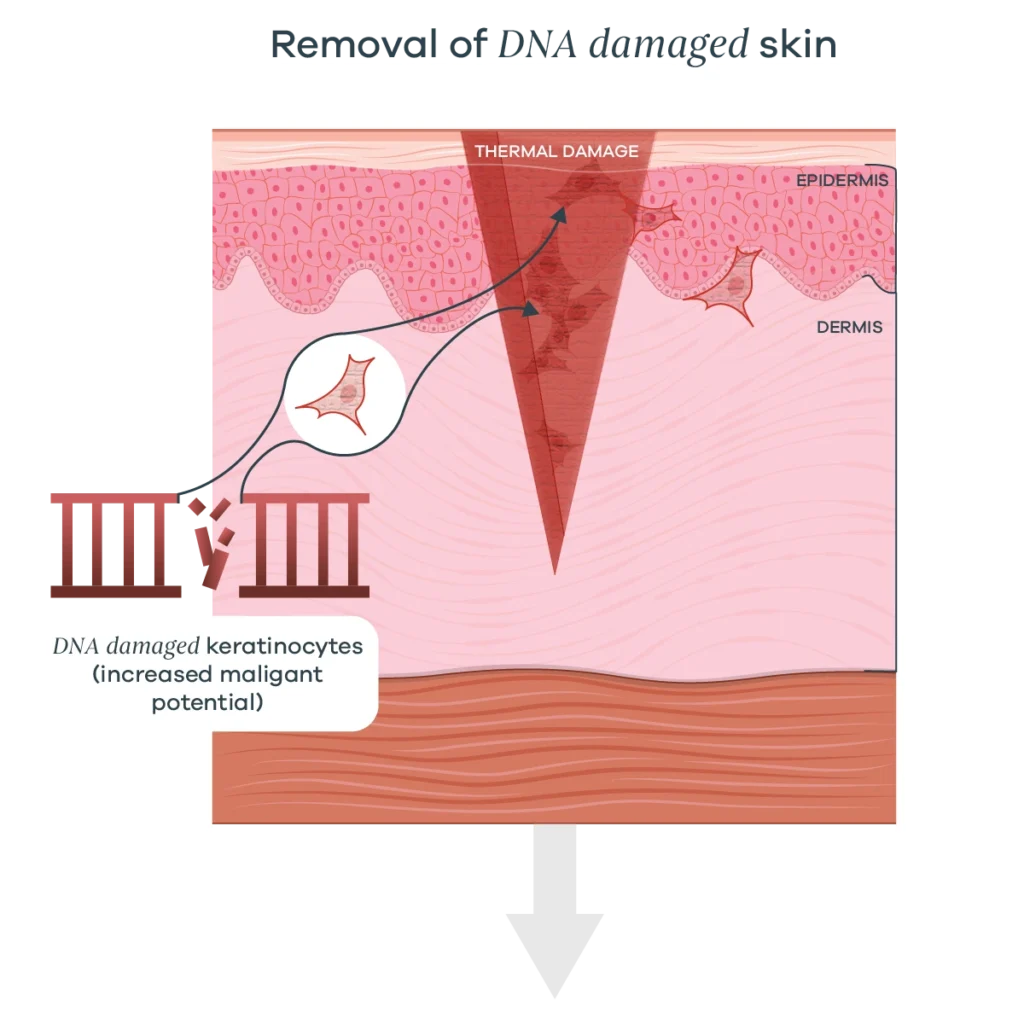
Removal of DNA-damaged cells

Ablative laser treatment directly destroys DNA-damaged skin cells. These cells are then replaced by new undamaged cells.

At a microscopic level, studies have demonstrated that laser removes cancer-prone p53-positive cells, which are subsequently repopulated with p53-negative cells that are less cancer prone. These studies have also shown that following laser, skin has:7Spandau DF, Torralba E, Howard C, et al. Five-year follow-up on randomized controlled trial of fractionated laser resurfacing as prophylaxis against actinic neoplasia. J Am Acad Dermatol. 2026;94(1):273-275. doi:10.1016/j.jaad.2025.08.114,8Wenande E, Wanner M, Sakamoto FH, Paasch U, Haedersdal M. The evolving landscape of laser-based skin cancer prevention. Lasers Med Sci. 2025;40(1):70. Published 2025 Feb 6. doi:10.1007/s10103-025-04327-9,9El-Domyati MM, Attia SK, Esmat AM, Ahmad HM, Abdel Wahab HM, Badr BM. Effect of laser resurfacing on p53 expression in photoaged facial skin. Dermatol Surg. 2007;33(6):668-675. doi:10.1111/j.1524-4725.2007.33141.x,10Orringer JS, Johnson TM, Kang S, et al. Effect of carbon dioxide laser resurfacing on epidermal p53 immunostaining in photodamaged skin. Arch Dermatol. 2004;140(9):1073-1077. doi:10.1001/archderm.140.9.1073,11Wong HY, Lee RC, Chong S, et al. Epidermal mutation accumulation in photodamaged skin is associated with skin cancer burden and can be targeted through ablative therapy. Sci Adv. 2023;9(19):eadf2384. doi:10.1126/sciadv.adf2384

  • less DNA mutations
  • less mutant p53; and
  • less mutant PTCH1
Cross-section of skin showing a thermal injury penetrating the epidermis and dermis, with DNA-damaged keratinocytes highlighted and labels for epidermis and dermis.

Restoring IGF-1 Signalling

Skin cancer is more common as we get older. Studies have shown that older skin responds differently to UVB-induced damage compared to younger skin.12Travers JB, Spandau DF, Lewis DA, et al. Fibroblast senescence and squamous cell carcinoma: how wounding therapies could be protective. Dermatol Surg. 2013;39(7):967-973. doi:10.1111/dsu.12138,13Frommeyer TC, Rohan CA, Spandau DF, et al. Wounding Therapies for Prevention of Photocarcinogenesis. Front Oncol. 2022;11:813132. Published 2022 Jan 7. doi:10.3389/fonc.2021.813132 It now appears that this is due to aging fibroblasts in the skin which produce indsulin-like growth factor (IGF-1).14Lewis DA, Travers JB, Somani AK, Spandau DF. The IGF-1/IGF-1R signaling axis in the skin: a new role for the dermis in aging-associated skin cancer. Oncogene. 2010;29(10):1475-1485. doi:10.1038/onc.2009.440,15Zhang J, Yu H, Man MQ, Hu L. Aging in the dermis: fibroblast senescence and its significance. Aging Cell. 2024;23:e14054. doi:10.1111/acel.14054 IGF-1 is important for DNA repair and promoting the death of damaged cells that are beyond repair.16Lewis DA, Travers JB, Machado C, Somani AK, Spandau DF. Reversing the aging stromal phenotype prevents carcinoma initiation. Aging (Albany NY). 2011;3(4):407-416. doi:10.18632/aging.100318 It is believed that a reduction in IGF-1 results in the increased development of skin cancer in older skin.

Using laser to prevent skin cancer causes microdamage to the skin to induce a biological reset. Studies have demonstrated that this restores young fibroblasts and IGF-1 levels similar to young skin.17Frommeyer TC, Rohan CA, Spandau DF, et al. Wounding Therapies for Prevention of Photocarcinogenesis. Front Oncol. 2022;11:813132. Published 2022 Jan 7. doi:10.3389/fonc.2021.813132 This subsequently restores protective mechanisms. A split-scalp study demonstrated a reduction in precancerous AKs by 75%, and no new AKs which correlated with 60% higher IGF-1 level in the treated side.18Spandau DF, Torralba E, Howard C, et al. Five-year follow-up on randomized controlled trial of fractionated laser resurfacing as prophylaxis against actinic neoplasia. J Am Acad Dermatol. 2026;94(1):273-275. doi:10.1016/j.jaad.2025.08.114,19Trovato E, Fiorani D, Cartocci A, Cinotti E, Rubegni P. IGF1 synthesis after CO2 fractional laser resurfacing (FLR): New insights in the treatment of scalp actinic keratoses. Lasers Surg Med. 2023;55(7):642-652. doi:10.1002/lsm.23680
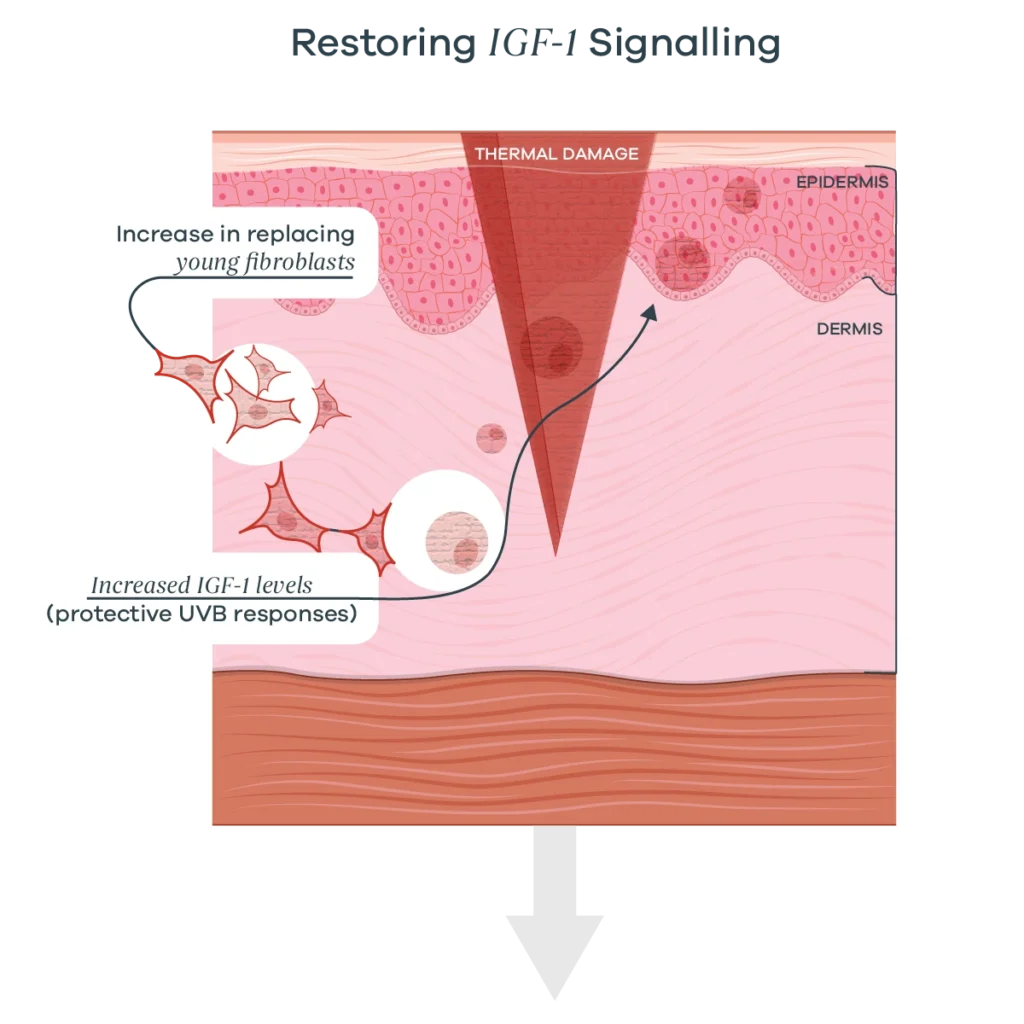
Cross-section of skin showing UV-induced damage and a treatment pathway restoring IGF-1 and young fibroblast replacement.

Laser-mediated Immunomodulation

Laser treatment causes a thermal injury to the skin which results in an inflammatory response that is thought to have antitumour effects.

Some of these studies have suggested that fractional ablative laser leads to a long-term immune-based tumour resistance through the immune systems adaptaive T-cell response.20Kawakubo M, Cunningham TJ, Demehri S, Manstein D. Fractional Laser Releases Tumor-Associated Antigens in Poorly Immunogenic Tumor and Induces Systemic Immunity. Sci Rep. 2017;7(1):12751. Published 2017 Oct 6. doi:10.1038/s41598-017-13095-8,21Kawakubo M, Demehri S, Manstein D. Fractional laser exposure induces neutrophil infiltration (N1 phenotype) into the tumor and stimulates systemic anti-tumor immune response. PLoS One. 2017;12(9):e0184852. Published 2017 Sep 18. doi:10.1371/journal.pone.0184852,22Omland SH, Wenande EC, Svane IM, Tam J, Olesen UH, Hædersdal M. Laser Immunotherapy: A Potential Treatment Modality for Keratinocyte Carcinoma. Cancers (Basel). 2021;13(21):5405. Published 2021 Oct 28. doi:10.3390/cancers13215405,23Olesen UH, Wiinberg M, Lerche CM, Jæhger DE, Andresen TL, Haedersdal M. Anti-PD-1 Therapy with Adjuvant Ablative Fractional Laser Improves Anti-Tumor Response in Basal Cell Carcinomas. Cancers (Basel). 2021;13(24):6326. Published 2021 Dec 16. doi:10.3390/cancers13246326,24Wenande E, Wanner M, Sakamoto FH, Paasch U, Haedersdal M. The evolving landscape of laser-based skin cancer prevention. Lasers Med Sci. 2025;40(1):70. Published 2025 Feb 6. doi:10.1007/s10103-025-04327-9
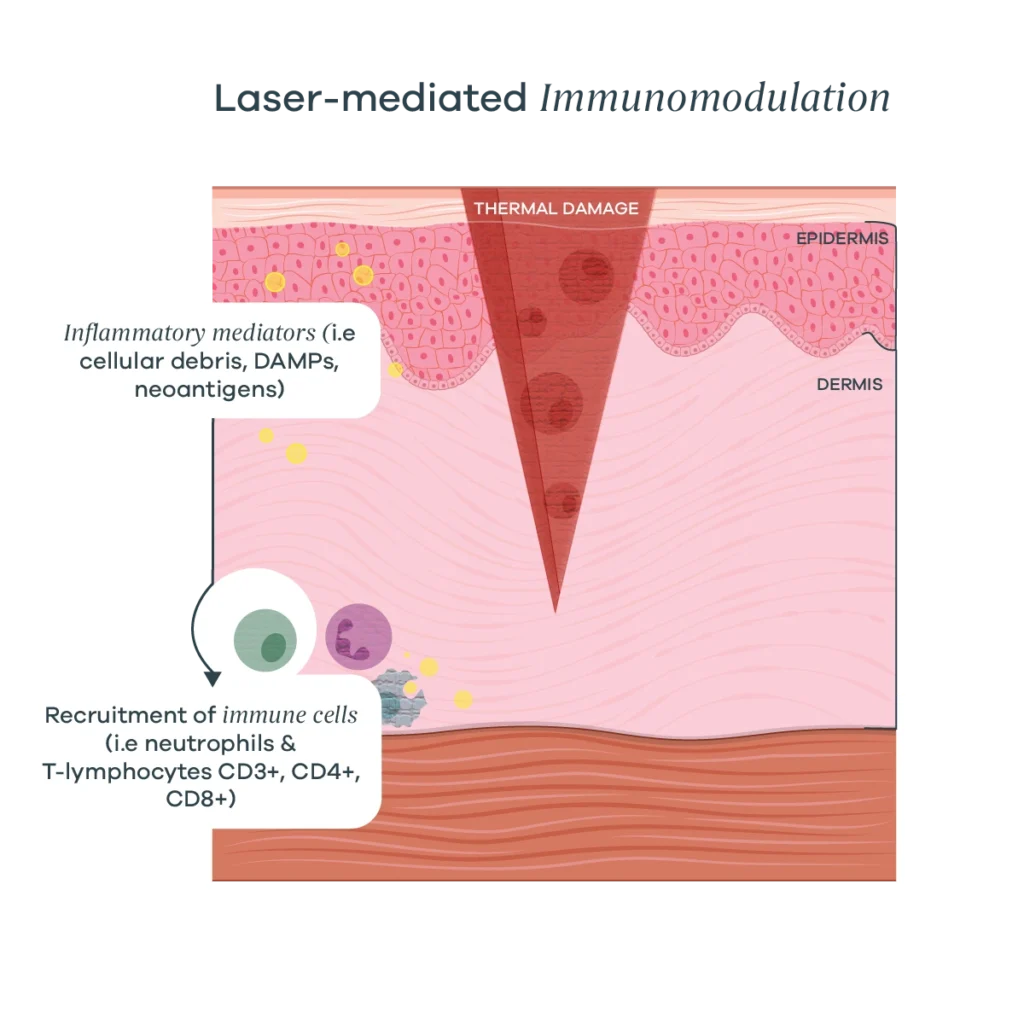
Cross-section of skin illustrating laser-induced immunomodulation, with inflammatory mediators released and immune cell recruitment shown in the dermis and epidermis

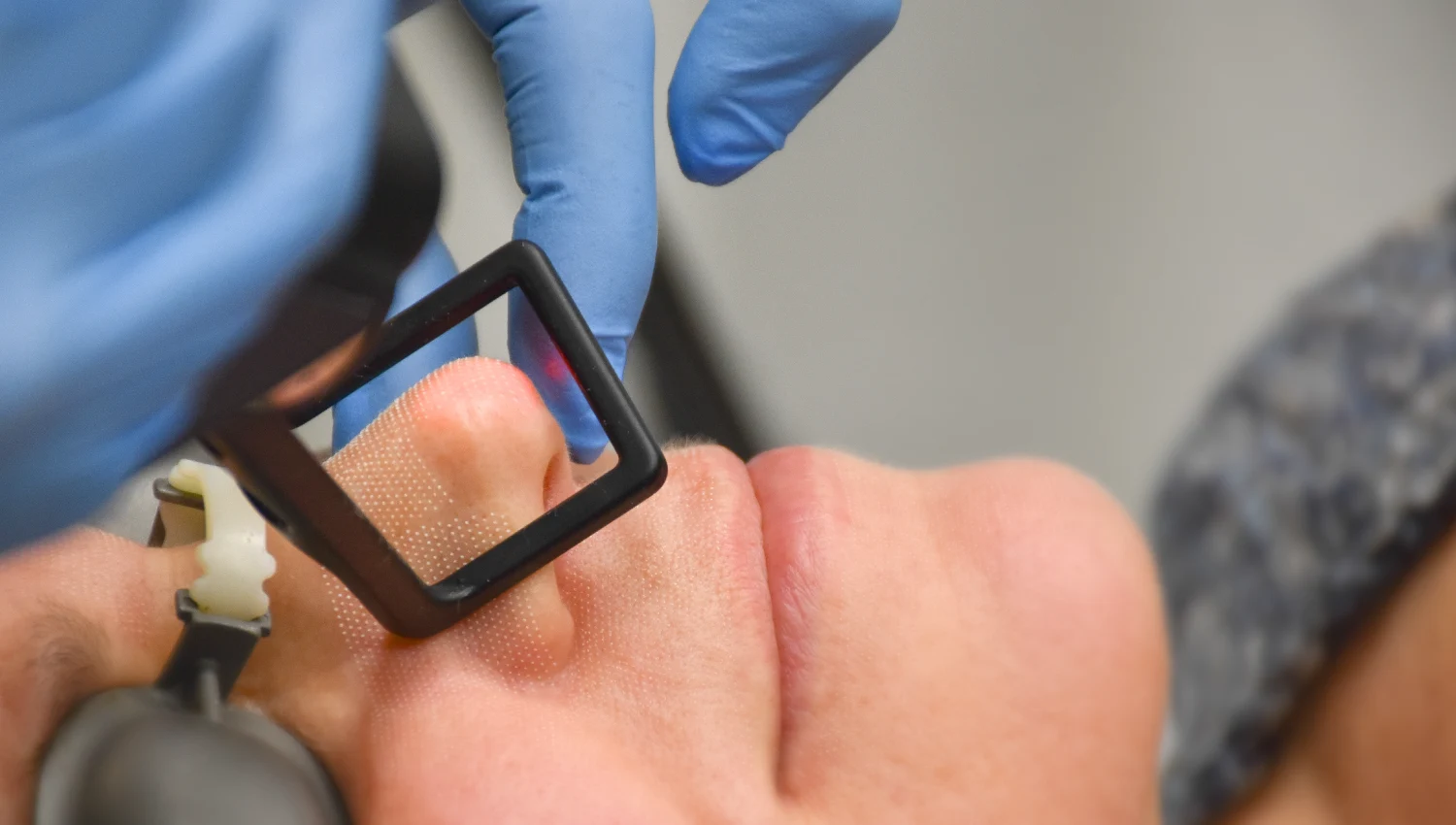
Clinician in blue gloves positions a small rectangular black frame near a patient’s mouth during a medical/dental procedure.

When do we use Laser to Prevent Skin Cancer?

Laser to prevent skin cancer is best used in the following situations:

  • Previous skin cancer in the treated area
  • Actinic field damage (several pre-cancerous lesions within an area)
  • Medical conditions that substantially increase the risk of skin cancer

Why Anue for Laser to Prevent Skin Cancer?

We believe our clients deserve access to expert laser treatment to prevent skin cancer. That is why we offer our services by our trusted team, supervised by renowned specialist dermatologist, Dr. David Lim.

By using refined techniques, qualified professionals, and high-quality products, we aim to make you look and feel your best. Our laser treatment to prevent skin cancer are safe and effective at helping you achieve your goals.

Laser to Prevent Skin Cancer with Anue.

Fractional laser consultation.

What to Expect at Your First Consultation

An experienced healthcare provider will conduct your first appointment as a consultation.

  1. The first thing they will ascertain is what your skin concerns are and what your desired outcome is.
  2. Next, they will undertake a comprehensive assessment of your skin and provide their expert recommendations regarding treatment.
  3. Then they will develop a treatment plan tailored to your skin.

Our optimal goal is to help you achieve long-term results so that you don't have to keep coming back for appointments.

NEXT STEPS

Laser Treatment to Prevent Skin Cancer

At Anue, we provide routine follow-up care so you are not left unsupported.

We believe our clients deserve access to the safest administration and quality treatments available.

More Information

Preparing for laser treatment to prevent skin cancer

It is important that you keep the treatment area out of direct sunlight and avoid tanning for four weeks prior to the treatment session. While tanned skin can be treated, we will need to modify the settings, compromising your results and it will increase the risk of adverse outcomes.

Those with darker skin types, may need additional steps to help control pigmentation.

Pricing

Therapist Consultation (Redeemable)

Redeemable on treatment or product

$100
Dermatologist Consultation

Not redeemable

$420
Laser treatment to prevent skin cancer on the face

$950
Three laser treatments to prevent skin cancer on the face

When purchased in advance

$2,590

The cost of reedemable consultations (where indicated) may be deducted from the cost of treatments or products within three months.

For best results, other treatments or a package of treatments may be recommended - pricing will be discussed prior to treatment.

Consultations with a Dermatologist may be reimbursible by your health insurance company, if the consultation is related to a medical condition. Please check with your insurance company to confirm.

Post treatment care for Laser to Prevent Skin Cancer

The full effects of treatment can take 4-12 weeks to become visible. For laser treatment for the face, we recommend a course of three treatments (case-dependent) for optimal results.

Following treatment, it is normal to experience some discomfort, redness, swelling, and a sensation like sunburn. These effects typically subside within a few hours to days depending on the treatment method. Some flaking of the skin for a few days is also normal.

We recommend a follow-up appointment four weeks after treatment to assess your results, individual response, and to plan additional treatments if required.

Immediately after treatment

  • Avoid touching or putting pressure on the treated area for at least 6 to 8 hours.
  • Apply a cold compress or ice pack to reduce any discomfort or swelling.
  • Minimise sunlight exposure and use sunscreen.
  • Treated areas may initially darken, then lighten after 48 to 72 hours.

Skincare

  • Use a soap-free cleanser and a non-fragrance moisturiser.
  • Avoid exfoliation and any strong skincare products around the treated area for at least 3 days. This includes retinol (vitamin A) and vitamin C.
  • Apply sunscreen with an SPF50 or higher to protect the treated area and avoid prolonged sun exposure for at least two weeks post-treatment.

Activities

Avoid strenuous exercise, hot showers, saunas, and steam rooms for at least 24-48 hours post-treatment. Also, avoid swimming or soaking in hot tubs for at least 48 hours.

Treatment Quickfacts

For laser treatment to prevent skin cancer of the face there will be a period of recovery and “social downtime”.

Laser Treatment to Prevent Skin Cancer

  • Numbing: Numbing cream recommended.
  • Swelling: 1-3 days.
  • Redness: 3-5 days.
  • Social downtime: up to 7 days.
author avatar
Dr. David Lim Cosmetic Dermatologist & Mohs Surgeon
David is an experienced dermatologist, providing patients with the highest standards for cosmetic results. He is a fellow of many global dermatologic societies for his outstanding regard as a specialist Dermatologist.

Frequently Asked Questions

Disclaimers

Most people respond well to treatment. However, because you are an invdividual, treatment effects can vary and as such cannot be guaranteed. We of course, do our best to ensure you are happy with your treatment.

Our Artisans are committed to transparent communication and pricing. We encourage you to ask questions or voice your concerns throughout the process, including before, during and after treatment.

If we don't think a treatment will work well we will do our best to inform you and suggest alternative options.

We prioritise the safety and satisfaction of our patients at Anue. This means we may refuse treatment if we think it is inappropriate or we feel your expectations are unrealistic.

At Anue, only trained professionals administer treatments, supervised by a Dermatologist registered with the Medical Council of New Zealand.

It is important that patients disclose any and all their medical history including current medications during their consultation. This allows us to adjust your treatment to optimise outcomes and minimise risk. Despite a thorough evaluation of potential risks, side effects may still develop from treatment.

Patients are responsible for covering the cost of their treatments, and clinic fees are applicable. The effects of treatments may not be permanent as this depends on the underlying driver of the condition. Your treatment provider may recommend additional treatment courses.

We offer laser treatment to prevent skin cancer as a trusted solution for addressing specific concerns. Our Artisans carefully assess each patient's unique anatomy and requirements before recommending and administering laser treatment to prevent skin cancer.

It is important to realise that there may be a recovery period following treatment and that you organise your activities around this period so that your treatment results are not compromised.

We will provide you with guidance about how to look after the treatment area along with activities you can and can't do.

By choosing Anue, patients can trust in our expertise and commitment to providing safe, effective, and personalised aesthetic solutions.

References

  • 1
    Erlendsson AM, Olesen UH, Haedersdal M, Rossi AM. Ablative fractional laser-assisted treatments for keratinocyte carcinomas and its precursors-Clinical review and future perspectives. Adv Drug Deliv Rev. 2020;153:185-194.doi:10.1016/j.addr.2020.01.001
  • 2
    Chen R, Wargo JJ, Williams A, et al. Single ablative fractional resurfacing laser treatment for forearm actinic keratoses: 6-month follow-up data from an intrapatient comparison between treated and untreated sites. Lasers Surg Med. 2020;52(1):84-87. doi:10.1002/lsm.23175
  • 3
    Spandau DF, Chen R, Wargo JJ, et al. Randomized controlled trial of fractionated laser resurfacing on aged skin as prophylaxis against actinic neoplasia. J Clin Invest. 2021;131(19):e150972. doi:10.1172/JCI150972
  • 4
    Benson TA, Hibler BP, Kotliar D, Avram M. Nonablative Fractional Laser Treatment Is Associated With a Decreased Risk of Subsequent Facial Keratinocyte Carcinoma Development. Dermatol Surg. 2023;49(2):149-154.doi:10.1097/DSS.0000000000003672
  • 5
    Frommeyer TC, Rohan CA, Spandau DF, et al. Wounding Therapies for Prevention of Photocarcinogenesis. Front Oncol. 2022;11:813132. Published 2022 Jan 7. doi:10.3389/fonc.2021.813132
  • 6
    Razzaghi Z, Arjmand B, Rezaei Tavirani M, Hamzeloo-Moghadam M, Rostami Nejad M, Robati RM. Long- and short-term effects of ablative fractional laser therapy on human skin: a network analysis. J Lasers Med Sci. 2023;14:e27. doi:10.34172/jlms.2023.27
  • 7
    Spandau DF, Torralba E, Howard C, et al. Five-year follow-up on randomized controlled trial of fractionated laser resurfacing as prophylaxis against actinic neoplasia. J Am Acad Dermatol. 2026;94(1):273-275. doi:10.1016/j.jaad.2025.08.114
  • 8
    Wenande E, Wanner M, Sakamoto FH, Paasch U, Haedersdal M. The evolving landscape of laser-based skin cancer prevention. Lasers Med Sci. 2025;40(1):70. Published 2025 Feb 6. doi:10.1007/s10103-025-04327-9
  • 9
    El-Domyati MM, Attia SK, Esmat AM, Ahmad HM, Abdel Wahab HM, Badr BM. Effect of laser resurfacing on p53 expression in photoaged facial skin. Dermatol Surg. 2007;33(6):668-675. doi:10.1111/j.1524-4725.2007.33141.x
  • 10
    Orringer JS, Johnson TM, Kang S, et al. Effect of carbon dioxide laser resurfacing on epidermal p53 immunostaining in photodamaged skin. Arch Dermatol. 2004;140(9):1073-1077. doi:10.1001/archderm.140.9.1073
  • 11
    Wong HY, Lee RC, Chong S, et al. Epidermal mutation accumulation in photodamaged skin is associated with skin cancer burden and can be targeted through ablative therapy. Sci Adv. 2023;9(19):eadf2384. doi:10.1126/sciadv.adf2384
  • 12
    Travers JB, Spandau DF, Lewis DA, et al. Fibroblast senescence and squamous cell carcinoma: how wounding therapies could be protective. Dermatol Surg. 2013;39(7):967-973. doi:10.1111/dsu.12138
  • 13
    Frommeyer TC, Rohan CA, Spandau DF, et al. Wounding Therapies for Prevention of Photocarcinogenesis. Front Oncol. 2022;11:813132. Published 2022 Jan 7. doi:10.3389/fonc.2021.813132
  • 14
    Lewis DA, Travers JB, Somani AK, Spandau DF. The IGF-1/IGF-1R signaling axis in the skin: a new role for the dermis in aging-associated skin cancer. Oncogene. 2010;29(10):1475-1485. doi:10.1038/onc.2009.440
  • 15
    Zhang J, Yu H, Man MQ, Hu L. Aging in the dermis: fibroblast senescence and its significance. Aging Cell. 2024;23:e14054. doi:10.1111/acel.14054
  • 16
    Lewis DA, Travers JB, Machado C, Somani AK, Spandau DF. Reversing the aging stromal phenotype prevents carcinoma initiation. Aging (Albany NY). 2011;3(4):407-416. doi:10.18632/aging.100318
  • 17
    Frommeyer TC, Rohan CA, Spandau DF, et al. Wounding Therapies for Prevention of Photocarcinogenesis. Front Oncol. 2022;11:813132. Published 2022 Jan 7. doi:10.3389/fonc.2021.813132
  • 18
    Spandau DF, Torralba E, Howard C, et al. Five-year follow-up on randomized controlled trial of fractionated laser resurfacing as prophylaxis against actinic neoplasia. J Am Acad Dermatol. 2026;94(1):273-275. doi:10.1016/j.jaad.2025.08.114
  • 19
    Trovato E, Fiorani D, Cartocci A, Cinotti E, Rubegni P. IGF1 synthesis after CO2 fractional laser resurfacing (FLR): New insights in the treatment of scalp actinic keratoses. Lasers Surg Med. 2023;55(7):642-652. doi:10.1002/lsm.23680
  • 20
    Kawakubo M, Cunningham TJ, Demehri S, Manstein D. Fractional Laser Releases Tumor-Associated Antigens in Poorly Immunogenic Tumor and Induces Systemic Immunity. Sci Rep. 2017;7(1):12751. Published 2017 Oct 6. doi:10.1038/s41598-017-13095-8
  • 21
    Kawakubo M, Demehri S, Manstein D. Fractional laser exposure induces neutrophil infiltration (N1 phenotype) into the tumor and stimulates systemic anti-tumor immune response. PLoS One. 2017;12(9):e0184852. Published 2017 Sep 18. doi:10.1371/journal.pone.0184852
  • 22
    Omland SH, Wenande EC, Svane IM, Tam J, Olesen UH, Hædersdal M. Laser Immunotherapy: A Potential Treatment Modality for Keratinocyte Carcinoma. Cancers (Basel). 2021;13(21):5405. Published 2021 Oct 28. doi:10.3390/cancers13215405
  • 23
    Olesen UH, Wiinberg M, Lerche CM, Jæhger DE, Andresen TL, Haedersdal M. Anti-PD-1 Therapy with Adjuvant Ablative Fractional Laser Improves Anti-Tumor Response in Basal Cell Carcinomas. Cancers (Basel). 2021;13(24):6326. Published 2021 Dec 16. doi:10.3390/cancers13246326
  • 24
    Wenande E, Wanner M, Sakamoto FH, Paasch U, Haedersdal M. The evolving landscape of laser-based skin cancer prevention. Lasers Med Sci. 2025;40(1):70. Published 2025 Feb 6. doi:10.1007/s10103-025-04327-9

Got Questions?

At Anue we are happy to chat about your skin concerns and your treatment options.

Our experienced and friendly team are happy to discuss the right options for you.