
How Long Does Botox Really Last?
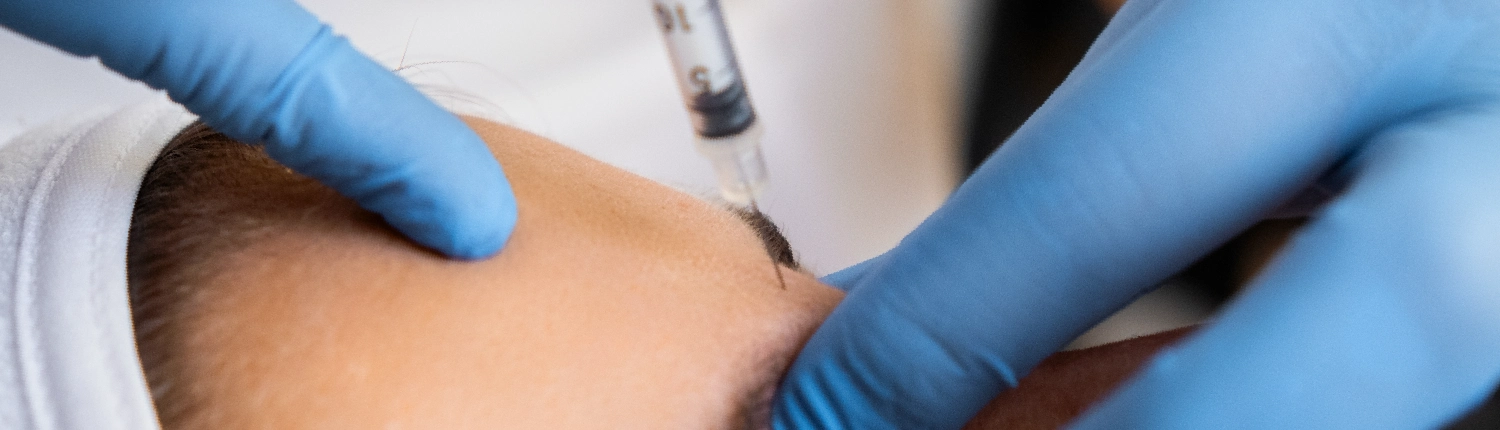
Botulinum toxin, commonly known by the brand name Botox, works by temporarily relaxing the targeted facial muscles that cause dynamic wrinkles – the lines that form when you frown, squint or raise your eyebrows.
Most people notice the injection starting to take effect within five to fourteen days, with the full result generally visible by around two weeks. From there, the treatment is designed to remain effective for approximately three to four months before the muscle gradually regains its normal movement and expression lines begin to reappear.
It’s worth being upfront: results are not permanent, and no clinic can guarantee an exact duration for every patient. Botox is a temporary, maintenance-based approach to softening wrinkles rather than a one-off fix for the signs of ageing.
Botox vs Dysport: Does Duration Differ?
Dysport is another well-established botulinum toxin brand often compared with Botox. Both work in a similar way, relaxing the muscles responsible for wrinkles or expression lines, but there are some differences worth knowing before choosing between them.
- Onset: Dysport may begin working slightly faster than Botox for some patients, sometimes within one to seven days after treatment.
- Duration: Dysport is often reported to last a little longer, in the range of four to six months, compared with roughly three to four months for Botox.
- Spread: This product is a slightly smaller molecule, which some practitioners use to their advantage across larger treatment areas such as the forehead.
Neither product is universally “better” for every patient or every wrinkle pattern. The right choice between the two comes down to your facial anatomy, treatment goals, and your practitioner’s clinical judgement following a proper consultation.

Botox Duration by Treatment Area
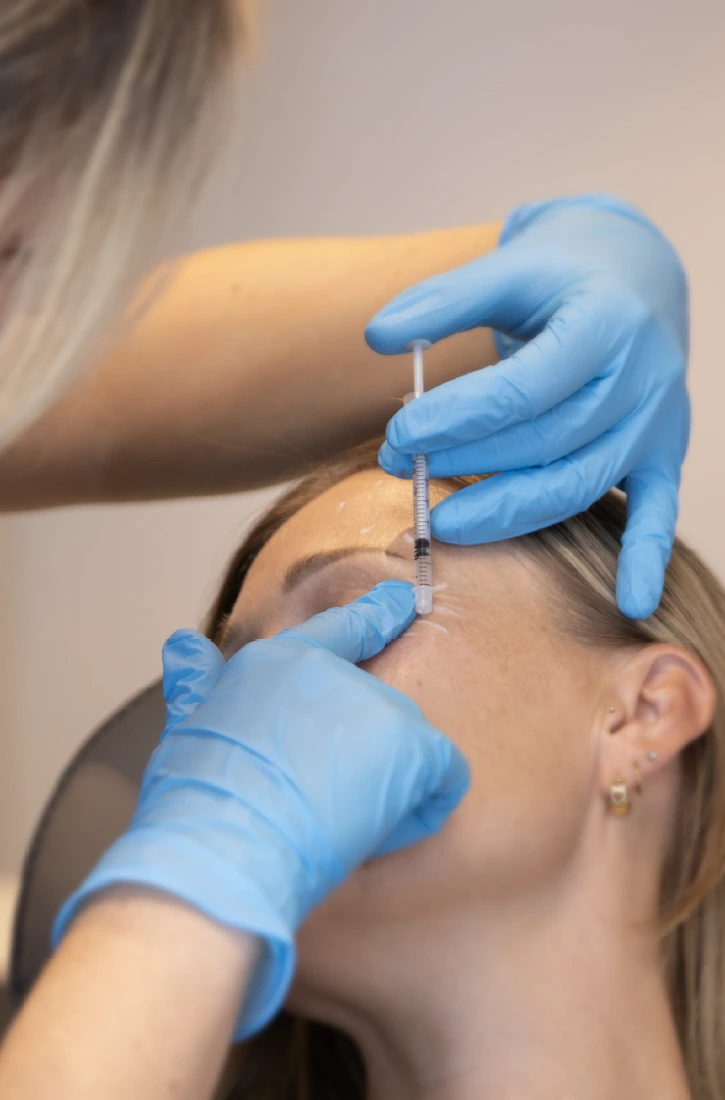
Results are rarely uniform across the whole face. Smaller, more mobile muscles tend to regain movement faster than larger, stronger ones. Here’s a realistic breakdown of how long Botox tends to last, area by area.
Forehead Lines
Horizontal forehead lines are created by a broad, frequently used muscle, which is one reason this area can see results settle sooner for some patients – often closer to the three-month mark. Because the forehead moves so often throughout the day, a carefully judged dose is typically used here to preserve natural-looking expression, which can also influence how long results hold.
Frown Lines (Glabellar Lines)
The lines between the eyebrows, often called frown lines or the “elevens,” are typically treated with a higher concentration of units. This area frequently holds its result for closer to the full three-to-four-month mark, as the muscle involved is smaller in volume and more compact than the forehead.
Crow’s Feet
The fine wrinkles that fan out from the outer corners of the eyes generally respond well to Botox, though this thinner, more delicate area can sometimes show earlier signs of movement returning. Many patients find crow’s feet injections last around three months, however, this varies with muscle strength and how expressive this area naturally is.
Excessive Sweating (Hyperhidrosis)
It is also used for medical indications such as excessive underarm sweating. In this application, the effect can last considerably longer than for facial lines, sometimes for many months, because sweat glands regenerate more slowly than facial muscle activity returns.
Why Does an Injection Wear Off Faster for Some People?
Several factors influence how long a Botox or Dysport injection lasts, including:
- Metabolism – a faster metabolic rate can mean the treated muscle regains activity sooner.
- Muscle strength – stronger, more frequently used muscles, such as the forehead, may need more regular top-ups.
- Dose administered – a higher number of units generally supports longer-lasting results, within safe and appropriate limits.
- Lifestyle factors – sun exposure and the natural ageing process both continue to shape the skin independently of any injection.
Because duration is genuinely individual, an in-person consultation is the most reliable way to estimate what to expect for your own skin, muscles and pace of ageing.
Making the Most of Each Treatment
While no method guarantees longer-lasting results, a few sensible habits may help you get more from each appointment:
- Stick to a consistent, appropriately dosed treatment programme rather than compromising on the recommended dose, which may affect the quality and longevity of your results
- Protect your skin from UV exposure, as it contributes to premature skin ageing, including fine lines, wrinkles and pigmentation.
- Avoid rubbing or applying pressure to the treated area in the first 24 hours, as advised by your injector.
- Keep an open conversation with your practitioner about which wrinkles are returning sooner than expected, so your plan can be adjusted at your next appointment.
When Should You Book Your Next Appointment in Auckland?
Most Anue patients return for their next appointment somewhere between the three and four-month mark, once movement starts to gradually return and wrinkles begin to soften back into view. Booking slightly before full movement resumes, rather than waiting until lines have fully reappeared, is one way many people maintain a consistently soft, natural-looking result over time.
For Auckland patients thinking ahead, it can help to plan treatment around personal milestones or the seasons, particularly given how Southern Hemisphere summer events tend to prompt bookings in the preceding months.
Is Botox the Right Choice for Managing Signs of Ageing?
Botox is one option among several for softening the appearance of expression lines, and it isn’t the right fit for everyone. It’s designed to relax dynamic wrinkles caused by muscle movement, rather than static lines caused by loss of elasticity, sun damage or volume loss. Anue has a variety of options for treating these other signs of ageing such as laser therapy, and filler to mention a few.
A proper assessment with a registered practitioner can help determine whether Botox, Dysport, or a combination of approaches best suits your skin, muscle patterns and goals around ageing. This matters most for anyone new to injectable treatment, or anyone wanting a subtle natural-looking result.
Final Thoughts
So, how long does Botox last? In most cases, somewhere between three and four months, with some variation by treatment area, dose and individual biology. Some patients see results extend a little beyond this range. Neither injection is permanent, and lasting results depend on a considered, personalised treatment programme rather than a single appointment.
If you’re considering Botox or Dysport in Auckland, the most reliable way to understand your own likely duration – and how it fits into your broader approach to ageing well – is a consultation with a dermatologist-led team who can assess your muscles, skin and goals in person. You can read more about our anti-wrinkle treatments at Anue, explore our Definitive Guide to Botulinum Toxin on the Anue Learning Hub, or get in touch with our experienced team to arrange a personalised consultation.

Disclaimer
Botox® is a prescription medicine for the treatment of frown lines, horizontal forehead lines, crow’s feet round the eyes and primary axillary hyperhidrosis. Botox® has risks and benefits.
Ask your doctor if Botox is right for you. If you have side effects, see your doctor. You will need to pay for Botox® and clinic fees will apply.
For details on precautions & side effects consult your healthcare professional or the Consumer Medicine Information (CMI) at www.medsafe.govt.nz.
Botox® treatment lasts about 4 months and further courses of
treatment may be necessary. Should only be administered by trained medical professionals.
Contains botulinum toxin A 50, 100 & 200 units.
Allergan (NZ) Limited, Auckland.